
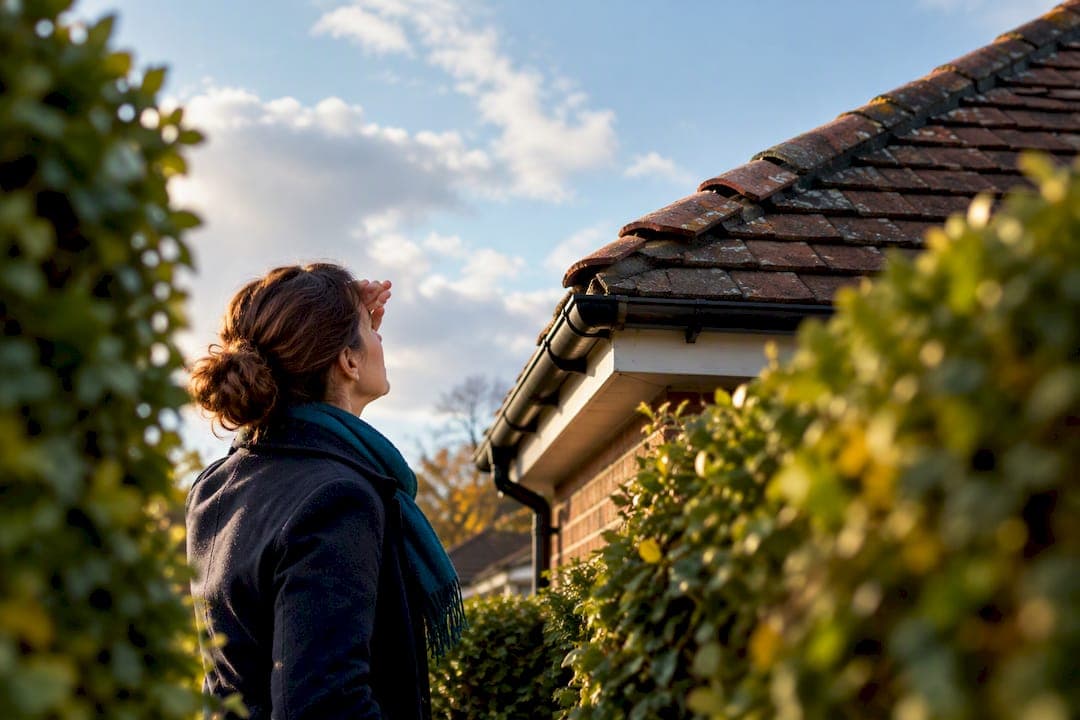
Yes, loose ridge tiles are a genuine safety and water-damage risk, and any tile that moves needs prompt attention. Stay off the roof yourself, photograph what you can see from the ground, and call a roofer if a tile shifts, rocks, or has already fallen. Repointing works only when the ridge line itself is stable; once tiles move, you're looking at rebedding or a dry ridge system, not a quick patch.
TL;DR:
- Loose ridge tiles are caused mainly by aging mortar, wind uplift, or previous repairs failing, especially in exposed locations like coastal or hilltop areas.
- Never attempt to climb on the roof or perform a rocking test yourself; instead, inspect from ground level using binoculars, check gutters and loft for signs of deterioration, and photograph the ridge.
- Repointing is suitable only when the ridge line is stable; any movement requires rebedding or a dry ridge system to ensure a durable fix.
- The cost of ridge tile repairs varies from approximately £80 to £300 for single tiles, with rebedding and dry ridge conversions costing more but offering longer-lasting solutions.
- Immediate professional attention is necessary if a tile shifts, a tile is missing, or leaks appear, and homeowners should seek detailed quotes including fixing methods and access plans.
Table of Contents
- What Do Loose Ridge Tiles Look Like From the Ground?
- What Typically Causes Ridge Tiles to Become Loose?
- Can You Safely Check Loose Ridge Tiles Yourself?
- Repointing, Rebedding, or Dry Ridge: Which Fix Do You Actually Need?
- How Much Does Ridge Tile Repair Actually Cost?
- When Should You Call a Roofer for Loose Ridge Tiles?
- Why Trust This Guidance on Ridge Tile Repair?
- What the Trade Rarely Tells Homeowners Straight
- Get a Ridge Tile Quote From Jhroof
- Where to Verify This Guidance
- Sources
- FAQ
What Do Loose Ridge Tiles Look Like From the Ground?
You don't need to climb anything to spot most ridge problems. Stand back from the house, use binoculars if you have them, and scan the roofline for these red flags:
- An uneven or wavy ridge line where tiles have sunk or tilted out of position
- Gaps between ridge tiles where you can see daylight through the joint
- Tiles that look lifted, twisted, or sit higher than their neighbors
- Sand-colored mortar crumbs or chunks sitting in your gutters or on the ground
- Fresh damp patches or staining appearing on your loft ceiling after rain
Each sign points to a slightly different stage of failure. Mortar fragments in the gutter, for instance, often show up right after a storm, and they usually mean the bedding underneath is breaking down even if the tiles look level from below. Loft damp is the most urgent signal of all: it means water has already found a way past the ridge and into your roof structure.
Pro Tip: Photograph the ridge from at least two angles and note today's date. If a tile falls or a roofer needs to compare progression, that timestamped picture is worth more than a verbal description.
While you're out there, move any parked cars away from the eaves and rope off the area directly below the ridge if a tile looks close to coming loose.
What Typically Causes Ridge Tiles to Become Loose?
Ridge tiles don't fail overnight. Three mechanisms account for most loose ridge tile problems roofers get called out to inspect:
- Aging mortar bedding. Traditional mortar hardens and cracks over 15 to 25 years as it expands and contracts through seasonal temperature swings, eventually losing its grip on the tile underneath.
- Wind uplift on unfixed tiles. Older roofs often relied on mortar alone with no mechanical fixings, so a strong gust can rock a tile loose even if the mortar looked fine the week before.
- Bad prior repairs or storm impact. A rushed repointing job, a fallen branch, or a satellite dish installer's boot can crack bedding that then fails faster than the rest of the ridge.
Coastal and hilltop properties see this faster than sheltered ones, since constant wind exposure fatigues mortar bonds years ahead of schedule.
Can You Safely Check Loose Ridge Tiles Yourself?
You can do a surprising amount from ground level, and you should stop well before actually touching the ridge. Here's the safe sequence:
- Walk the perimeter with binoculars. Check each ridge tile against its neighbors for gaps, tilt, or misalignment.
- Inspect your gutters and downpipes. Mortar grit or broken tile fragments there confirm active deterioration, not just cosmetic weathering.
- Check your loft with a torch. Look along the ridge beam and rafters for damp streaks, daylight gaps, or insulation that's gone dark and matted.
- Document everything. Photos, dates, and specific tile locations (use chimney or gable-end as reference points) make quoting faster and more accurate.
- Clear ground-level hazards. Move vehicles, rope off the drop zone below any visibly loose tile, and warn anyone using that entrance.
What you should never do is climb a ladder to reach the ridge, walk on tiles, or attempt a rocking test yourself. That movement test, gently checking whether a ridge tile shifts under light pressure, is a real diagnostic tool, but it belongs to someone on proper scaffold or a roof ladder with fall protection, not a homeowner on a domestic ladder. The HSE's guidance on roof work exists precisely because falls from roofs and fragile surfaces remain a leading cause of serious injury on residential jobs. Leave the ridge itself to someone equipped for it.
Repointing, Rebedding, or Dry Ridge: Which Fix Do You Actually Need?
This is where most quotes go wrong, and it's worth understanding before anyone gives you a price. The three repair paths solve different problems, and using the wrong one wastes money.
Repointing replaces the outer layer of mortar without disturbing the tiles themselves. It's appropriate when the ridge line is stable and the tiles don't move. If a roofer performs the gentle rocking test and nothing shifts, repointing can genuinely extend the life of a sound ridge for several more years. Where repointing fails is when it's used to patch over a ridge that already has movement underneath. Trade guidance is consistent on this point: repointing over a moving ridge is a cosmetic fix that typically cracks again within a season or two, because the real problem, a failed bond between tile and roof structure, was never addressed.
Rebedding removes the ridge tiles entirely, clears out the old mortar, and re-lays them on a fresh bed. This is the right call when there's any detectable movement, when mortar has crumbled away in sections rather than just cracked on the surface, or when a previous repointing job has already failed.
Dry ridge systems replace mortar altogether with mechanical clips, unions, and a ventilated membrane. Since BS 5534 guidance calls for ridge and hip tiles to be mechanically fixed rather than relying on mortar alone, dry ridge has become the standard recommendation for exposed roofs and anywhere wind uplift is a recurring concern. It also improves loft ventilation, which mortar bedding doesn't offer.
The rule of thumb is straightforward: no movement and only surface cracking means repointing is a fair, cost-effective choice. Any movement at all means you need rebedding or a dry ridge conversion, not another round of pointing. Weather matters too. Mortar-based repairs need dry, mild conditions to cure properly, which is why most roofers schedule rebedding work outside deep winter, while dry ridge installation is far less weather-dependent since there's no mortar cure time involved.

How Much Does Ridge Tile Repair Actually Cost?
Price depends heavily on how the roofer reaches your ridge, not just what they do once they're up there. Rough industry ranges look like this:
- Single tile replacement: £80 to £300, depending on access and whether the surrounding tiles need disturbing
- Repointing: typically priced per linear meter of ridge, with steeper or higher roofs costing more
- Rebedding: often quoted per 10-meter run, since it involves stripping and relaying tiles rather than a surface patch
- Dry ridge conversion: priced per linear meter, usually higher upfront than repointing but with a longer maintenance-free lifespan
Scaffold or tower hire is frequently the largest line item on a small ridge job, sometimes rivaling the cost of the repair itself, and steep pitches or tricky access (think terraced housing with no rear entry) push that figure up further. This is also why a fair number of roofers will suggest converting to dry ridge while the scaffold is already up: the marginal cost of the upgrade is often lower than paying for scaffold access twice over the next decade for repeat repointing.
Be cautious of a doorstep quote that's dramatically cheaper than everything else you've been offered, especially if it skips any mention of mechanical fixings. Consumer guidance from Which? recommends getting several written quotes before committing, partly because insurers can factor poor maintenance history into how they handle a future claim.
When Should You Call a Roofer for Loose Ridge Tiles?
Certain signs should move you straight from "keep an eye on it" to "get someone out this week":
- Any tile that visibly moves or has already shifted position. This is never a wait-and-see situation.
- A missing tile, even just one. The gap it leaves exposes the roof structure directly to rain and wind.
- Fresh damp or a leak appearing in your loft. Water has already breached the ridge line.
- Mortar debris collecting near doors, driveways, or walkways. That's a falling-hazard warning, not just a maintenance note.
When you get a roofer out, ask them directly: which fix are they proposing, and why (repoint, rebed, or dry ridge)? What mechanical fixings will they use, and do those meet BS 5534? What's their access plan, ladder, tower, or full scaffold, and is that reflected in the price? Are they insured, and what guarantee comes with the work? A written, itemized quote should answer all four without hesitation.
Treat vague answers as a red flag. A quote that only mentions "pointing" when you've already told them a tile moves, or one with no mention of mechanical fixing at all, usually means the job won't last. Pressure to sign on the spot is another sign to walk away and get a second opinion.
Why Trust This Guidance on Ridge Tile Repair?
This guide draws on established trade standards, including BS 5534 fixing requirements and HSE roof safety guidance, alongside Jhroof's decade-plus of hands-on ridge repair work across Kent. As a family-owned team offering free, no-obligation quotes, insured workmanship, and 24-hour emergency response, we've seen firsthand how often a "quick pointing job" gets sold to homeowners who actually needed a rebed. Photograph your ridge, move vehicles clear, collect at least three written quotes, and insist on mechanical fixing details before anyone climbs a ladder.
What the Trade Rarely Tells Homeowners Straight

Most advice on loose ridge tiles focuses on urgency, and rightly so. What gets glossed over is how often the wrong fix gets sold as the right one. Repointing is cheap, fast, and looks like a complete repair from the driveway, which makes it tempting for a contractor who wants a quick job and tempting for a homeowner who wants a low bill. The trouble is that mortar smeared over a ridge that's already moving is a maintenance loop, not a repair. You'll be paying for the same job again in two or three years, and each round adds scaffold cost on top of the mortar itself.
The rocking test cuts through that ambiguity better than any visual inspection, which is why I'd push back against advice that treats repointing as a default. If a roofer skips the movement check and jumps straight to a pointing quote, that's worth questioning. And if your roof sits somewhere exposed, coastal, hilltop, an open field nearby, dry ridge deserves a real look rather than a mention in passing. It costs more upfront and solves the wind-uplift problem that mortar alone never fully addresses. Before you accept any quote, ask what happens if the fix fails again next winter. A contractor confident in their diagnosis will have an answer ready.
— Gabbi
Get a Ridge Tile Quote From Jhroof
If a rocking tile or a gutter full of mortar grit has you searching for answers, Jhroof gives you a faster path than sorting through generic guides on your own: a Kent-based roofer who will inspect your specific ridge, honestly tell you whether it needs repointing, rebedding, or a dry ridge conversion, and put that recommendation in writing before you spend a penny.

Every quote from Jhroof is free and comes with no obligation to book, and it includes the details that actually matter, mechanical fixing method, access plan, and an itemized price, not a vague lump sum. Our team carries insurance on every job, and if a tile has already come loose or you're dealing with a leak right now, our emergency repair service runs around the clock. For a scheduled inspection or a straightforward single tile repair starting from £150, or to see the full range of repair and rebedding services we offer, get in touch and we'll arrange a visit at a time that works for you. Unresolved ridge leaks don't just damage your roof structure either; left long enough, they can show up as ceiling damage inside your home, which is one more reason to get it looked at sooner rather than later.
Where to Verify This Guidance
- HSE roof work safety guidance for access and fall-risk standards
- BS 5534 mechanical fixing cost guide for compliant ridge repair pricing
- Which? guidance on roofer costs for quote-comparison best practice
Sources
- HSG33 — Health and safety in roof work
- Ridge Tile Re-bedding Cost UK (2026): Mortar vs Dry Ridge Prices
- Architecturecourses
- How much do roofers cost? — Which?
FAQ
Should Ridge Tiles Be Loose?
No, a properly fixed ridge tile should not move at all when checked. Any detectable rocking or shifting means the mortar bond has failed or the mechanical fixing is missing, and it needs a rebedding or dry ridge repair rather than a simple repoint.
How Much Does It Cost to Repoint Ridge Tiles?
Repointing is usually priced per linear meter of ridge, while a single tile replacement runs £80 to £300 depending on access. Scaffold or tower hire often adds more to the total than the pointing work itself, so get a written quote before assuming a low headline price applies to your roof.
What Are Common Ridge Tile Problems?
The most frequent issues are cracked or crumbling mortar bedding, tiles that have lifted or shifted from wind uplift, and mortar fragments washing into gutters after storms. Missing mechanical fixings on older roofs makes all three problems worse over time.
How Serious Is a Missing Ridge Tile?
It's serious enough to act on within days, not weeks. A missing tile leaves the roof structure exposed to rain and wind directly, which can lead to timber rot, insulation damage, and pest entry if it isn't addressed quickly.