
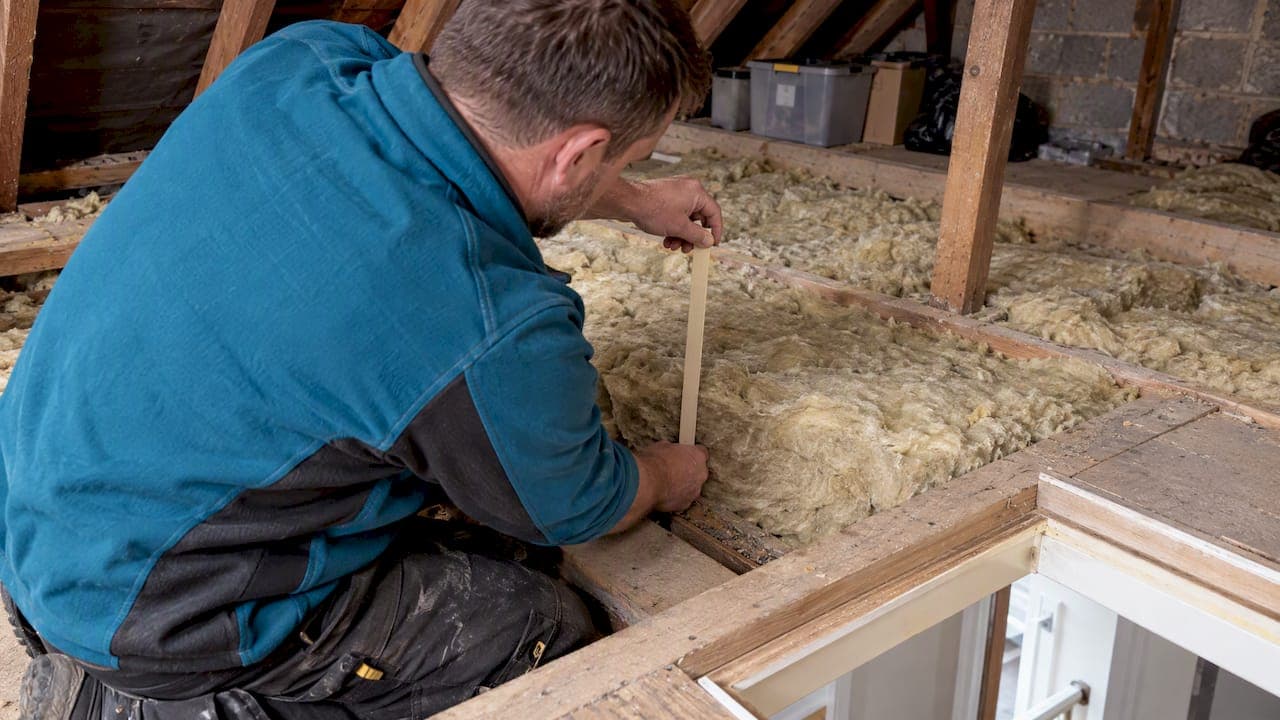
For most UK homes, the single most effective roof-side energy upgrade is improving insulation, not swapping materials. An uninsulated home loses about 25% of its heat through the roof, and the recommended loft depth is 270mm. Once insulation is sorted, choose your roofing material to suit your roof type, your home's appearance, and the U-value expectations set out in Approved Document L.
TL;DR:
- Energy Saving Trust estimates uninsulated roofs account for about 25% of home heat loss and recommends 270mm of loft insulation.
- For roof work in England, request a calculated whole roof U value and written insulation details covering continuity, ventilation, condensation control, and junctions.
- Pitched roofs suit concrete, clay, slate, or metal, while flat roofs usually need membranes or green systems; check weight and planning limits first.
- Solar panels generate electricity rather than improving insulation, so plan their layout and orientation during roof replacement to avoid paying for separate work later.
Table of Contents
- Energy-efficient roofing materials available in the UK
- How roofing materials actually affect heat flow and energy
- Insulation priorities and what building regulations expect
- Choosing the right energy-efficient roof for your property
- Maintenance and lifespan effects on energy performance
- A Kent roofer's view on getting this right
- What the roofing industry gets wrong about energy efficiency
- How J.H. Roofing helps Kent homeowners upgrade for energy efficiency
- FAQ
- Sources
Energy-efficient roofing materials available in the UK
Most Kent homes use one of a handful of roofing materials, and each behaves differently when it comes to heat retention, weight, and lifespan. Knowing the basics helps you have a more useful conversation with whoever surveys your roof.
- Concrete tiles: common across UK housing stock, add useful thermal mass, and work well on pitched roofs paired with upgraded loft insulation.
- Clay tiles: traditional in appearance, durable over decades, and often recyclable at end of life.
- Natural slate: very long service life with low ongoing maintenance, though quarrying gives it higher embodied energy than some alternatives; many homeowners find the lifespan offsets that.
- Metal roofing (steel or aluminium): lightweight, suitable where structural limits rule out heavier materials, and reflective coatings can reduce summer heat gain; recycled-steel options also lower embodied carbon.
- Single-ply membranes and EPDM: the standard choice for flat roofs and extensions, and compatible with a range of insulation layers beneath.
- Green or living roofs: add insulating value, help manage rainwater, and support biodiversity on suitable flat or low-pitch sections.
- Solar PV and solar tiles: not an insulation measure, but a roof replacement is the right moment to plan panel layout and orientation.
None of these materials performs in isolation. How well they insulate depends on what sits underneath them, which is the part most homeowners never see.
How roofing materials actually affect heat flow and energy
Three terms matter here: thermal conductivity (lambda), R-value, and whole-roof U-value. Lambda measures how readily a material conducts heat, R-value measures resistance at a given thickness, and U-value measures heat loss through the entire assembled roof element, not just one layer. The Insulation toolkit is clear that a lower lambda or U-value means less heat escapes, while a higher R-value means more resistance.
This is why a product with an impressively low lambda figure can still underperform in practice. Approved Document L stresses continuous insulation and controlled thermal bridging, because rafters, fixings, roof windows, and eaves junctions all interrupt an otherwise good insulation layer. Reflective, light-coloured surfaces reduce summer heat gain by limiting how much solar energy the roof absorbs. Solar PV works differently again: it generates electricity rather than retaining heat, so it adds to your energy balance without changing your U-value.

Insulation priorities and what building regulations expect
Insulation delivers the biggest, fastest win for most Kent homes. Energy Saving Trust puts heat loss through an uninsulated roof at around 25%, and recommends topping lofts up to 270mm.
For any roof replacement or major refurbishment in England, Approved Document L (2026) sets out what you should ask for. Requirements differ slightly across UK nations, so Kent projects should be checked against England's guidance and your local building-control process.
Before signing off on a contractor's proposal, ask for:
- A calculated whole-element U-value for the finished roof, not just a product data sheet.
- A written insulation specification showing thickness, material, and how continuity is maintained at junctions.
- Ventilation and condensation detailing, since trapping moisture undoes the benefit of better insulation.
- Evidence of independent certification, such as Agrément approval or a manufacturer's declared performance.
Pro Tip: Never let insulation cover eaves or soffit vents. Blocked ventilation paths invite damp and condensation, undoing the benefit you just paid for.
Choosing the right energy-efficient roof for your property
Your roof type narrows the field quickly. Pitched roofs suit concrete, clay, slate, or metal, while flat roofs and extensions generally call for single-ply membranes, EPDM, or a green roof system. Weight limits, listed-building status, and local planning rules can rule out certain materials before cost even enters the conversation.
Lifespan and cost vary enough between materials and installers that a general figure will not serve you well. A proper survey and written quote tell you far more than a ballpark number ever could.
When you speak with a contractor, ask:
- What whole-roof U-value does the proposed build-up achieve?
- How is insulation continuity maintained at junctions and penetrations?
- What is the ventilation strategy, and how does it prevent condensation?
- What warranty backs the materials and the installation?
- Can you provide certification evidence or references for similar jobs?
Maintenance and lifespan effects on energy performance
Slate and clay tiles can last for decades with basic upkeep, concrete tiles somewhat less, and single-ply or EPDM flat roofing typically needs renewal sooner. Regular gutter clearing, prompt replacement of slipped tiles, and periodic flashing checks all help a roof keep performing as designed rather than slowly losing effectiveness.
Insulation upgrades usually pay back faster than swapping surface materials, since they attack the biggest source of heat loss directly. Keep an eye out for new damp patches, musty smells, or changes in ventilation, since these often signal a problem before it shows up on your energy bill. If your roof is approaching the lower end of its expected lifespan, or leaks and condensation keep recurring, it is worth arranging a survey sooner rather than later.
A Kent roofer's view on getting this right
We have worked on roofs across Kent, covering everything from single tile repairs to full replacements. That experience shapes a simple view: insulation upgrades and a proper U-value conversation solve more problems than a change of material alone ever will.
If you are weighing options for a conservatory roof or a flat-roof extension, our guides on conservatory roof U-values and flat roofing options go into more local detail.
What the roofing industry gets wrong about energy efficiency
Too much advice online treats material choice as the headline decision, when insulation and detailing do far more work. A premium tile with poor eaves ventilation or gaps in the insulation layer will underperform a modest tile fitted correctly over a well-insulated roof.

The conventional advice to "pick the most energy-efficient material" skips the harder, more useful question: what U-value will the finished roof actually achieve, and who is checking the junctions where heat escapes fastest? Homeowners who ask contractors for a calculated U-value and a written insulation specification, rather than a brand name, tend to end up with roofs that perform closer to what the numbers promised.
If you take one thing from this guide, make it this: insulation first, ventilation always, material choice last. Readers planning a solar installation alongside a roof replacement should also see our note on timing a roof replacement before solar, since sequencing the two correctly avoids paying twice. For broader home energy context beyond the roof itself, the Home Energy Model guidance is a useful companion read.
— Gabbi
How J.H. Roofing helps Kent homeowners upgrade for energy efficiency
We handle the roofing side of this directly for homeowners across Kent, whether that means a full roof replacement, flat roofing, a conservatory roof conversion, or an emergency repair after storm damage. A J.H. Roofing survey covers the inspection, a conversation about achievable U-values, a materials and insulation recommendation suited to your roof type, and a written quote you can compare against other options.

- Roof replacement surveys that factor in insulation, U-values, and material choice together.
- Flat roofing and conservatory roof conversions for homes planning warmer, more efficient living space.
- Emergency response if storm damage or leaks need urgent attention.
We offer free, no-obligation quotes and have received reviews from Kent homeowners. Request your free roof survey and quote to find out what an energy-efficient roof would look like on your property.
FAQ
What is the cheapest roofing material in the UK?
Concrete tiles are generally the lowest-cost option for pitched roofs in the UK, and felt or single-ply membranes tend to be the most affordable choice for flat roofs. Exact pricing depends heavily on roof size, access, and existing structure, so a written quote from a surveyor gives a far more reliable figure than a general estimate.
What are the downsides of EPDM roofing?
EPDM is a durable single-ply membrane, but like any flat-roofing material its performance depends on correct installation, including seam work and compatible insulation beneath it. Checking for proper detailing and ventilation at installation matters more than the material itself when it comes to long-term performance.
What is the best roofing material in the UK?
There is no single best material, since the right choice depends on your roof type, structural limits, planning constraints, and priorities around appearance, lifespan, and maintenance. For most pitched roofs, concrete, clay, and slate all perform well when paired with proper insulation and ventilation detailing, as set out in UK roofing and insulation guidance.
Which is best, EPDM or GRP?
Both are established flat-roofing systems suited to extensions and garages, and the better choice usually comes down to your roof's shape, access, and the contractor's recommendation for your specific build-up. Rather than picking a material in isolation, ask for a proposed U-value and installation detail for each option before deciding.
How much does loft insulation cost in the UK?
Professional installation of loft insulation up to the recommended 270mm depth in a semi-detached home typically costs around £750 to £900. This is a guide figure for insulation work specifically, not a full roof replacement quote.
Sources
- Home insulation to reduce home heat loss - Energy Saving Trust
- Gov
- Product standards and selection - Insulation toolkit